
What human hands feel,
INTERACT ROBOTICS
Contact intelligence, taught by feel.
We capture the force, the touch, the skill behind every move.Then turn that experience into contact intelligence.
Contact intelligence platformDream Catcher(Acquisition)Dream Set(Contact dataset)Morpheus(Foundation model)
Loading the introductory film.


The next frontier for robotsis within touching distance.
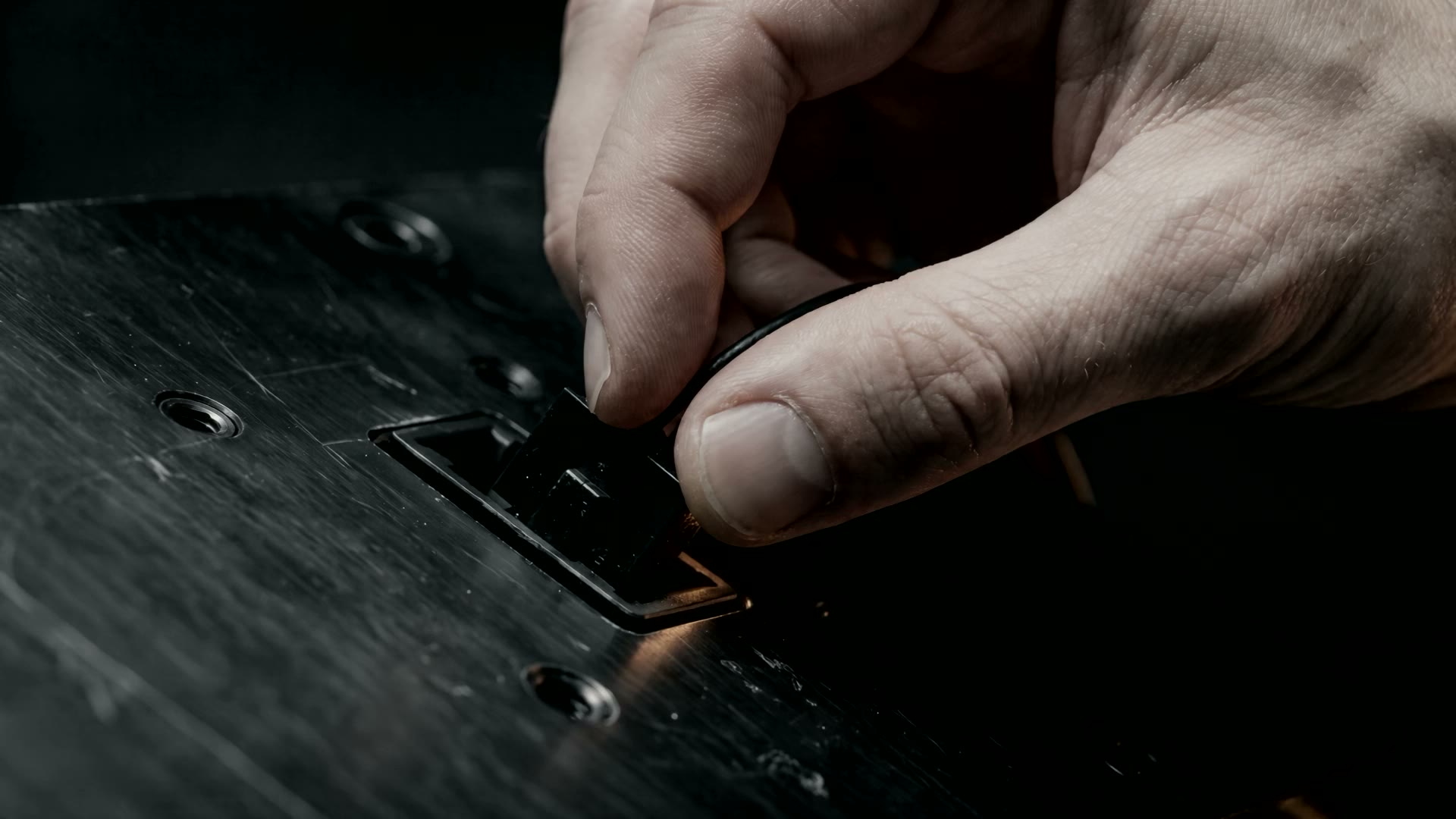
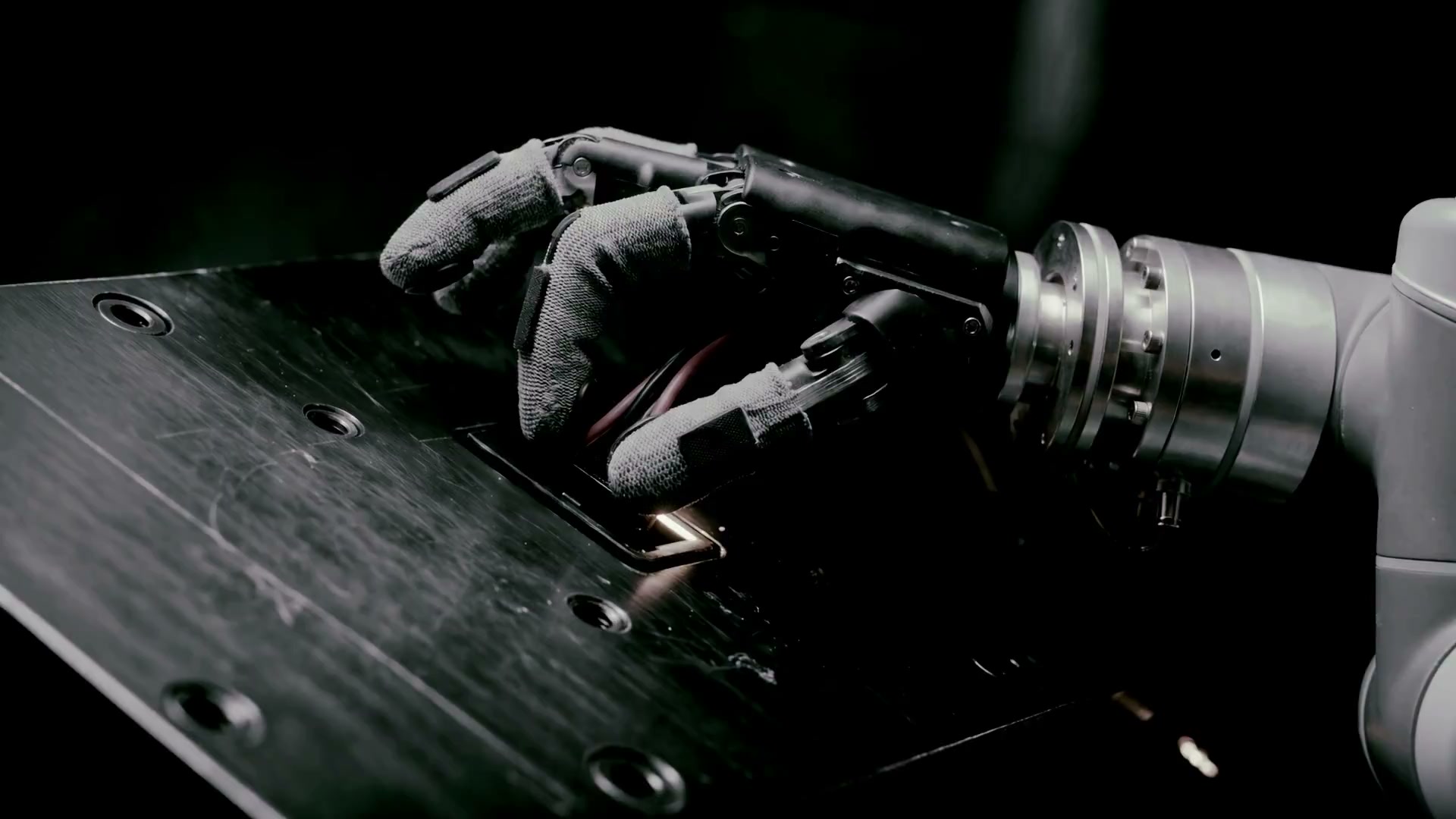
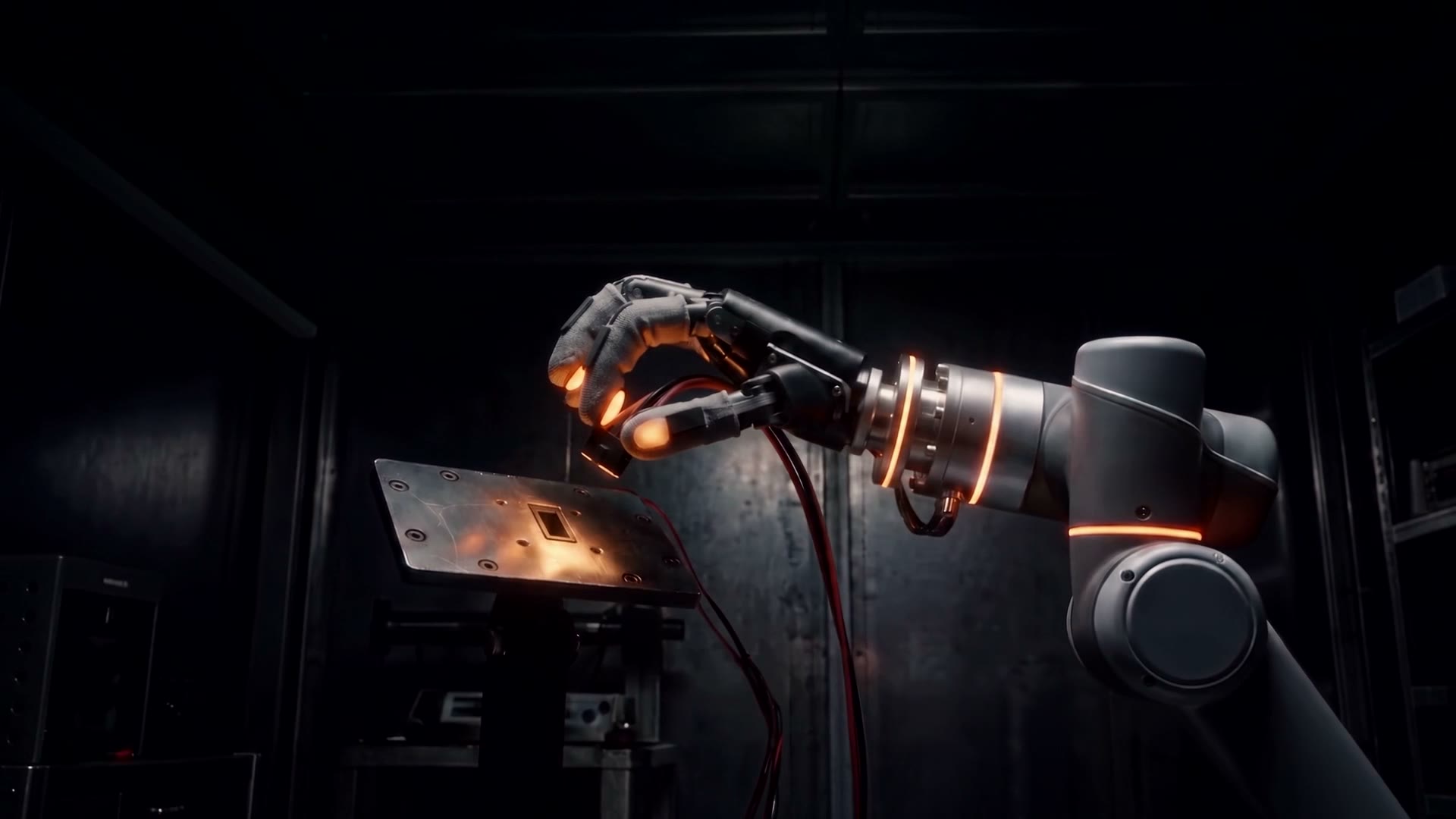
Robots already do remarkable things. But pushing a connector home, tightening a fastener, or pressing two parts together takes more than sight. It takes feel. We capture the forces and tactile cues skilled people rely on, so robots can learn to work where people work, with the skill those tasks demand.
Force and torque are recorded alongside the task to meet existing quality and safety requirements.
To learn the skill,capture the feel.
Research with force and tactile data shows meaningful gains in contact tasks. The figures below reflect each paper’s specific experimental conditions.Today’s VLAs are rapidly improving precision and generalization. We aim to build on that progress with something more: a record of what people felt, and how they responded.Every move has a reason. We capture the forces behind it.
- 0% vs 22%Learned With Force
Policy trained with force and torque vs. vision alone
ManipForce, 2025 · Rounded average across 6 tasks - +0.0%pForce-aware VLA Fusion
π0 with a force-aware fusion module: 37.3% → 60.5%
ForceVLA, 2025 · π0 baseline, 5 tasks - ~0%Near-human task speed
Adapts to a moving HDMI socket. Robot 1.09 s vs. human 1.04 s
SHIELD, RSS 2021 · Task-specific force-and-vision system
Electronics · Automotive · Shipbuilding · Heavy industry
Pillars of Korean manufacturing. Still powered by the skill of human hands.
Three products. One sense of purpose.
Capture experience in the field. Shape it into data. Turn it into intelligence. Each product takes the next step.
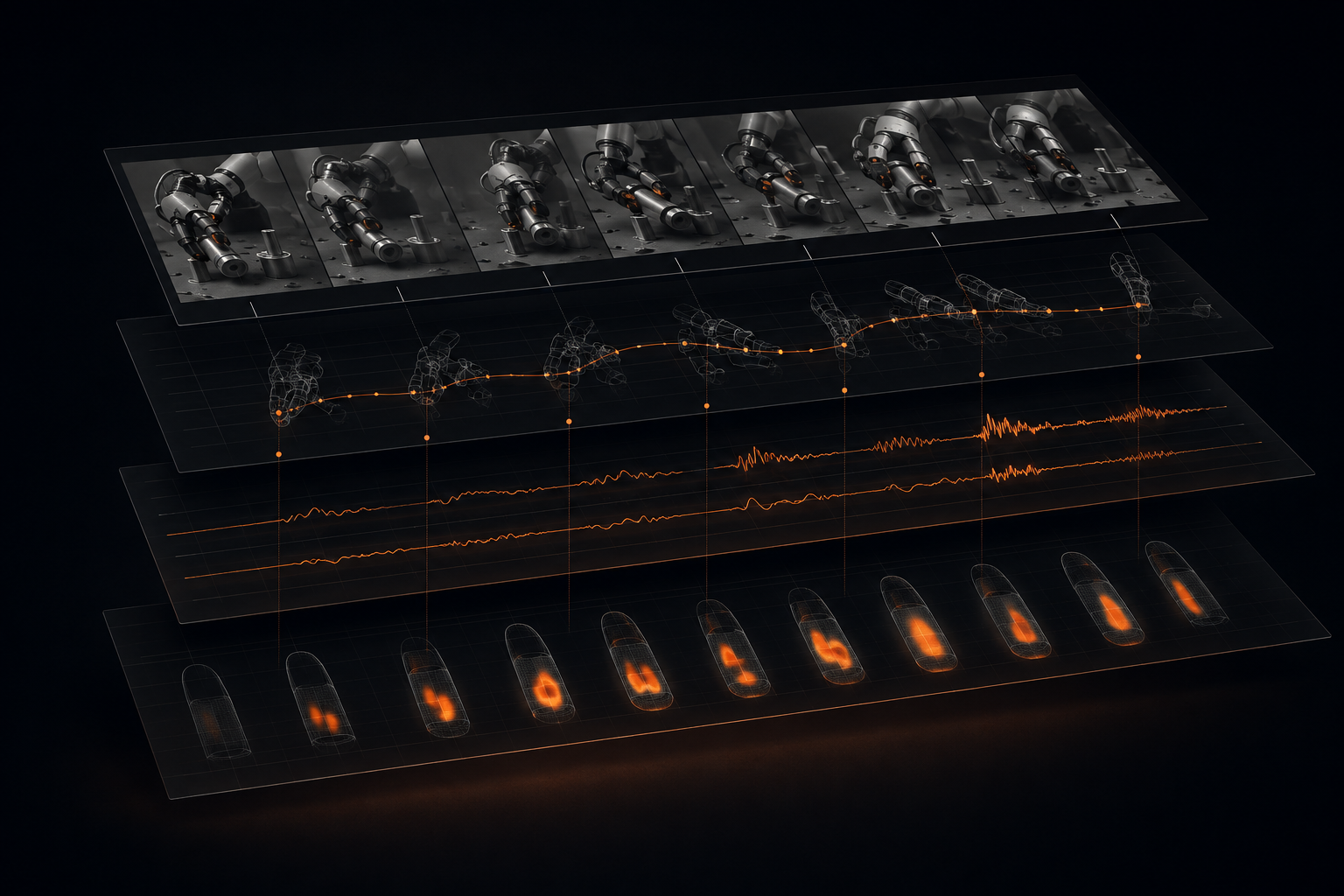
Explore all products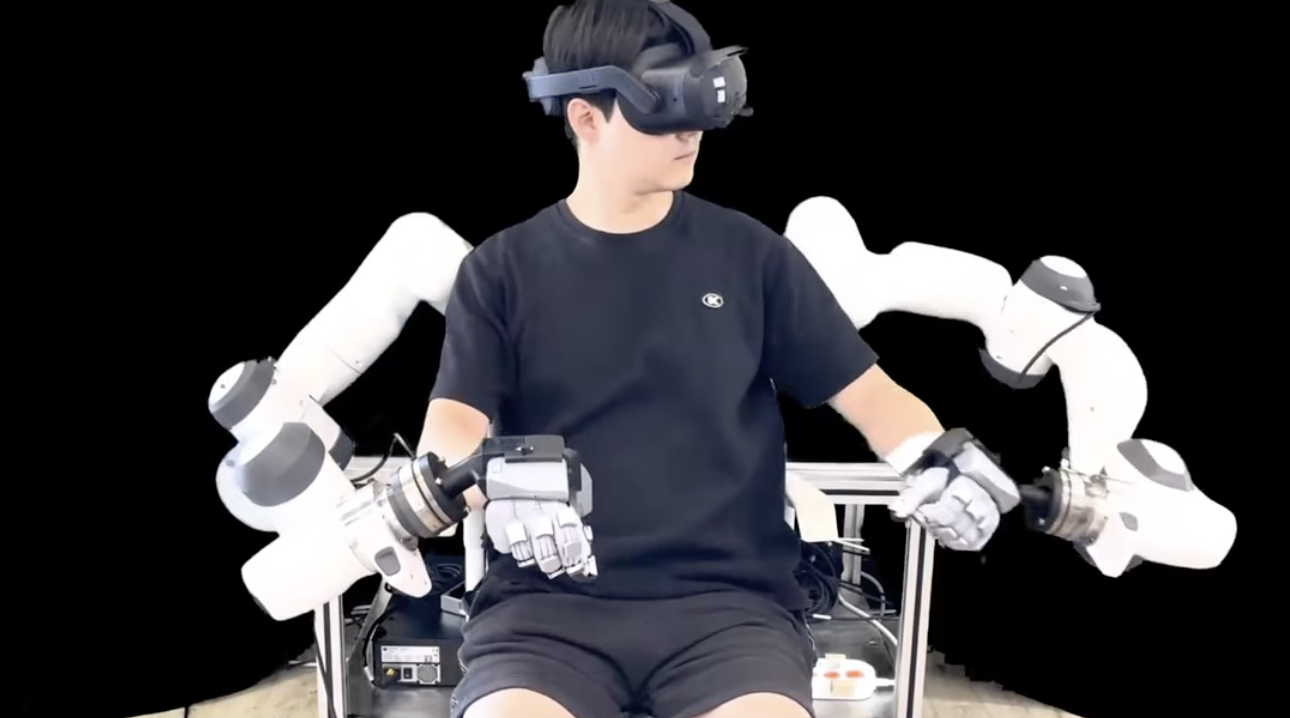 Actual acquisition cellDREAM CATCHERDream CatcherContact data acquisition platformArm and Glove capture the demonstration. Studio records the experience. Lucid connects movement and force. Together, they turn human skill into something robots can learn.
 DREAM SETDream SetContact datasetVision and motion, enriched with force, torque, touch, and the operator’s intent. Data configured for your tasks, your hardware, and the senses learning needs.
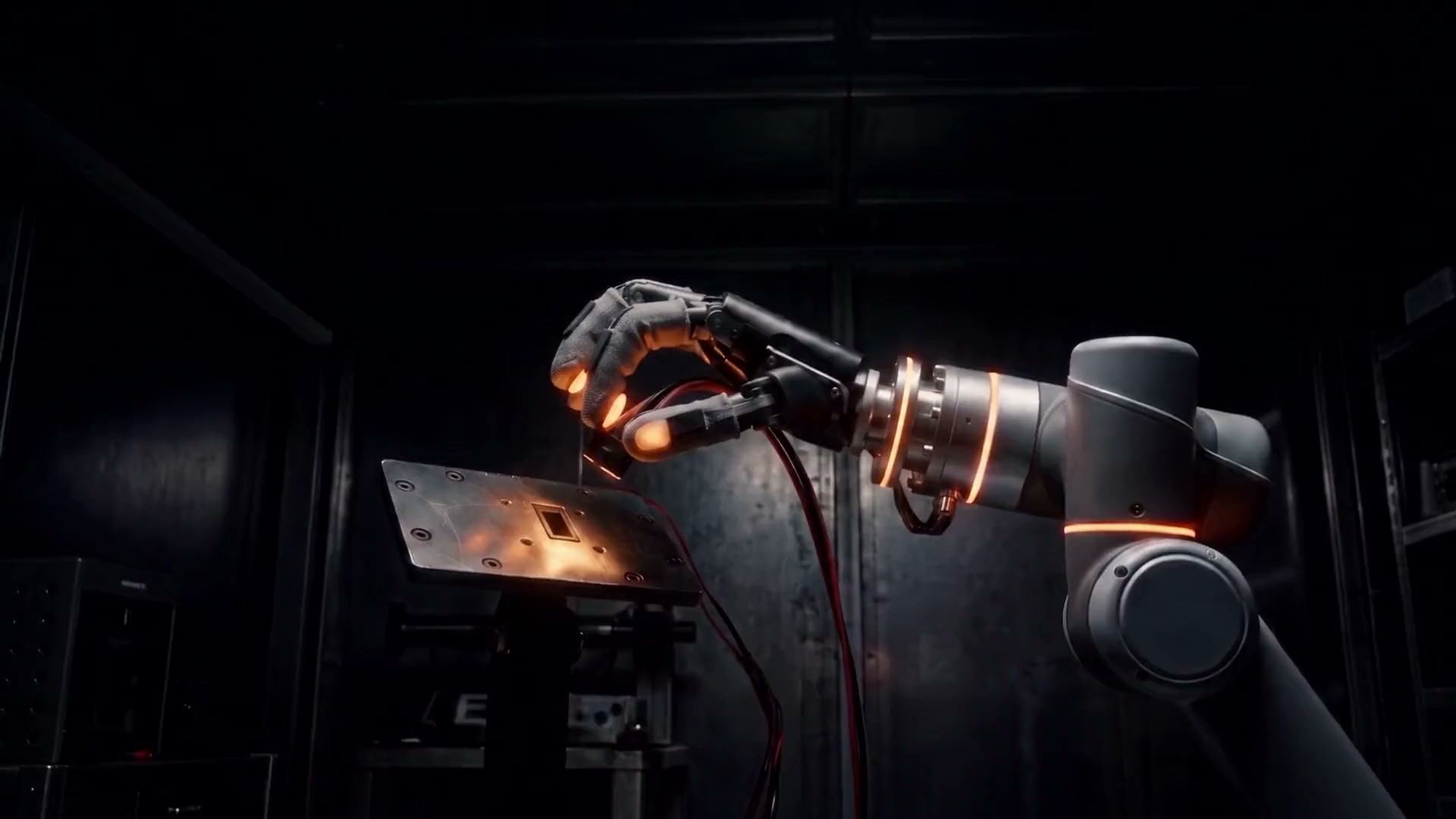 MORPHEUSMorpheusContact intelligence foundation modelA foundation model for contact intelligence, bringing an understanding of physical force to VLAs and world models.
From human skill to robot intelligence.
Start with experience.
Dream Catcher records skilled people at work, connecting movement, force, fingertip touch, and the response that follows. Dream Set turns those records into material for learning contact intelligence.
One task. Then what’s next.
We start with clearly defined tasks, such as connector assembly, and bring task-specific models into the field. Each deployment adds data. Each new dataset opens another setting. That cycle is our path toward a foundation model.
Bring intelligence to the robots you have.
We aim to work with existing robots and equipment. Starting with their control and sensor interfaces, we connect contact data to action policies, then extend what works to new parts and environments.
Work in progress. Stories to come.
When there’s news to share, you’ll find it here and in your inbox.
All company newsMake the next move with us.
Help us build physical AI with a feel for the real world.